• Home
  • Books
  • Blog
  • Connect
  • Bio
Menu

Jordan Morgan

Street Address
City, State, Zip
Phone Number
Wife. Mama. Author.

Your Custom Text Here

Jordan Morgan

  • Home
  • Books
  • Blog
  • Connect
  • Bio

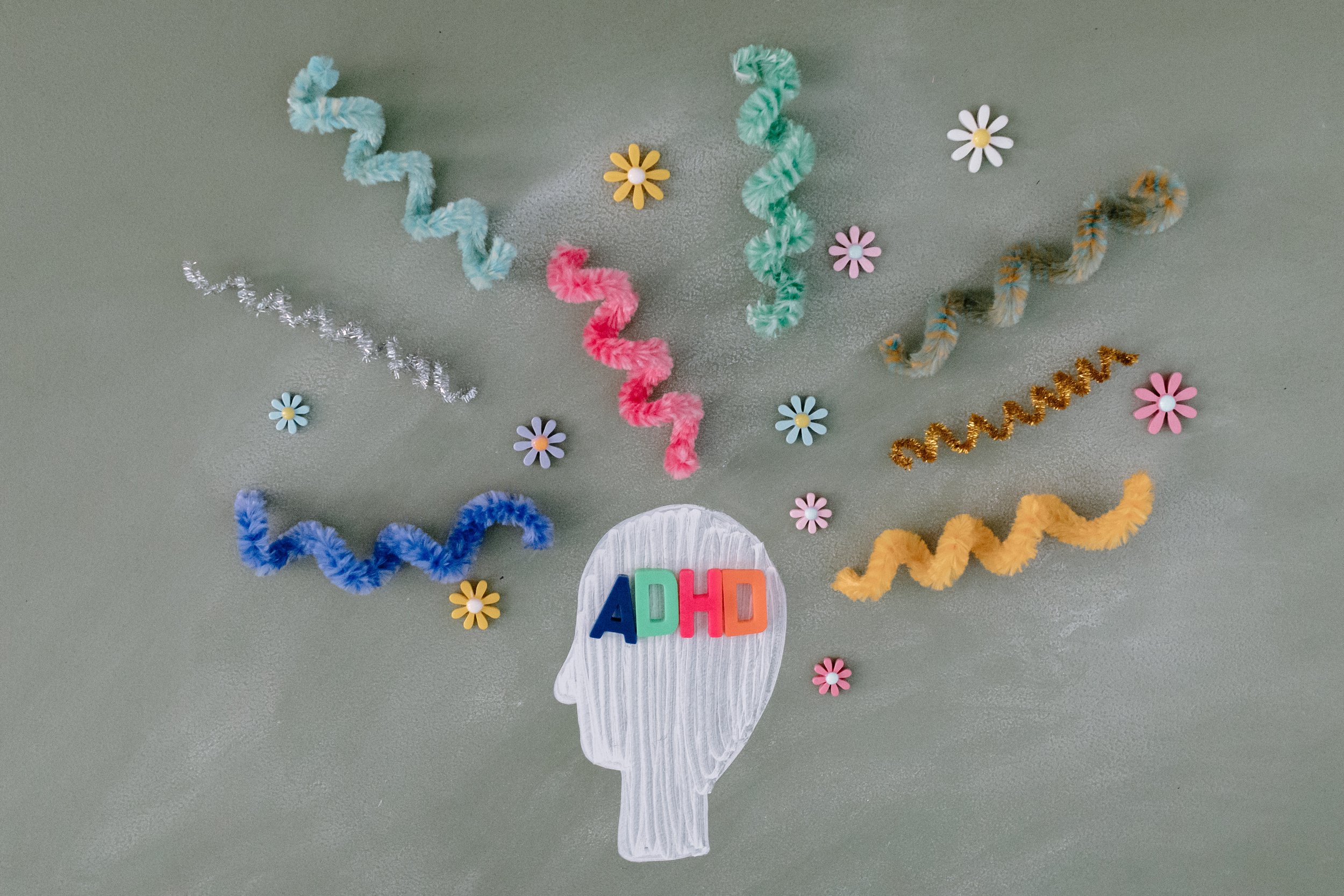
Yoga and ADHD: A Love Story

September 11, 2023 Jordan Morgan

Attention Deficit Hyperactivity Disorder (ADHD) is a common neurodevelopmental disorder that affects children and adults. It is characterized by difficulty with attention, impulsivity, and hyperactivity. These symptoms can make it challenging for individuals with ADHD to focus, concentrate, and control their behavior, which can affect their academic, social, and occupational functioning.

Yoga is a practice that involves physical postures, breathing techniques, and meditation. It has been shown to have a number of benefits for individuals with ADHD, including:

  • Improving focus and concentration: One of the main benefits of yoga for individuals with ADHD is its ability to improve focus and concentration. Yoga involves paying attention to the breath and the body, which can help to train the mind to focus and pay attention.

  • Reducing stress and anxiety: Yoga can be a great way to reduce stress and anxiety, which are common issues for individuals with ADHD. Yoga involves relaxation techniques and mindfulness practices that can help to calm the mind and reduce anxiety.

  • Improving self-regulation: Yoga can also help individuals with ADHD to improve their self-regulation skills. By learning to focus and control their breath and movements, individuals with ADHD can improve their ability to control their impulses and manage their emotions.

  • Improving sleep: Yoga can also be beneficial for individuals with ADHD who struggle with sleep. Yoga involves relaxation techniques that can help to calm the mind and prepare the body for sleep.

  • Improving physical coordination and balance: Yoga can also help to improve physical coordination and balance, which can be beneficial for individuals with ADHD who struggle with these skills.

It's important to note that while yoga can be a helpful complementary therapy for individuals with ADHD, it should not be used as a replacement for traditional treatment. It's important to work with a healthcare professional to determine the best treatment plan for ADHD. (It is also important to note that I am not a professional or primary care provider - I’m just a yoga teacher!).

In summary, yoga can be a great complementary therapy for individuals with ADHD. I can confirm this because I have seen the benefits directly in my life and in my son’s life! ADHD is a beast, so seek proper help and direction from your general physician, and then consider picking up a yoga practice.

Comment

The Benefits of Yoga for Kids

September 1, 2023 Jordan Morgan

Yoga is not just for adults! In fact, there are many benefits of yoga for kids that make it an excellent activity for children of all ages.

One of the main benefits of yoga for kids is improved flexibility. Yoga helps children to become more flexible and agile, which can help them perform better in sports and other physical activities. Yoga is also a great way for kids to build strength in their muscles, particularly their core muscles, which can help with overall stability and balance.

Another benefit of yoga for kids is improved focus and concentration. Yoga helps children to develop focus and concentration, which can be beneficial in the classroom and other learning environments. This is especially important in today's world where children are constantly bombarded with distractions!

Yoga can also be a great way for kids to relax and de-stress. With the demands of school and extracurricular activities, kids can sometimes feel overwhelmed and anxious. Yoga provides a chance for kids to take a break, relax, and refocus their minds.

In addition to reducing stress and anxiety, yoga can also help to improve sleep. Yoga helps children to relax and unwind before bedtime, which can lead to improved sleep. This is especially important for children who have trouble falling asleep or staying asleep.

Yoga is also a great way for kids to boost their self-esteem and body awareness. Children who practice yoga learn to be in tune with their bodies and feel more confident in themselves. This can be especially beneficial for children who are self-conscious about their bodies or who struggle with body image issues.

Yoga can also be a great cardiovascular workout for kids. Some types of yoga, such as vinyasa or power yoga, can get the heart pumping and provide a good cardiovascular workout. This can be especially beneficial for children who are not interested in traditional sports or who are looking for a different type of physical activity.

Another benefit of yoga for kids is improved balance and coordination. Yoga helps to improve balance and coordination, which can be beneficial for children who are still developing these skills. This can be especially important for children who are clumsy or have difficulty with balance.

Yoga also encourages children to think outside the box and use their imaginations. Children who practice yoga are encouraged to use their creativity and come up with new poses and sequences. This can be a great way for kids to tap into their creativity and express themselves!

Finally, yoga can be a great way for kids to socialize and make new friends. Yoga classes provide a chance for children to interact with their peers and build social skills. This can be beneficial for children who are shy or who struggle to make friends.

Yoga is an excellent activity for children of all ages. It helps to improve flexibility, strength, focus and concentration and can reduce stress and anxiety. It can also improve sleep, boost self-esteem, provide a cardiovascular workout, improve balance and coordination, enhance creativity, and improve social skills.

So why not give yoga a try with your kids today?

Comment

Do's and Don'ts of Prenatal Yoga

August 21, 2023 Jordan Morgan

Prenatal yoga is a popular and beneficial practice for pregnant women, but it is important to follow some basic dos and don'ts to ensure the safety and well-being of both mother and baby. Here are some of the key dos and don'ts of a prenatal yoga practice:

Do:

  • Consult with your doctor: Before starting a prenatal yoga practice, it is important to consult with your doctor to ensure that yoga is safe and appropriate for your individual situation. This is especially important if you have any pre-existing medical conditions or if you are experiencing any complications during your pregnancy.

  • Choose a qualified instructor: Prenatal yoga is a specialized practice, and it is important to choose an instructor who is qualified and experienced in teaching yoga to pregnant women. This means looking for an instructor who has completed a prenatal yoga training program, and who has experience teaching pregnant women. RPYT is the Yoga Alliance designation for Registered Prenatal Yoga Teachers.

  • Listen to your body: Pregnancy is a time of many physical and emotional changes, and it is important to listen to your body and to respect your limits. This means avoiding overexertion and avoiding postures or movements that are uncomfortable or painful. It is also important to listen to your body's signals for rest and relaxation and to take breaks as needed.

  • Stay hydrated: Pregnancy can be dehydrating and it is important to stay hydrated during your prenatal yoga practice. This means drinking plenty of water before, during, and after your practice, and avoiding dehydration.

  • Modify postures as needed: Prenatal yoga postures can be modified to suit a wide range of abilities and stages of pregnancy. It is important to use props and modifications as needed and to avoid forcing or straining in any posture.

Don't:

  • Overdo it: Pregnancy is not the time to push yourself to your limits or to try to achieve a "perfect" practice. It is important to avoid overexertion and to avoid postures or movements that are uncomfortable or painful.

  • Hold your breath: The breath is an essential part of the yoga practice, and it is important to avoid holding your breath during prenatal yoga. This means inhaling and exhaling deeply and smoothly and using the breath to guide your movements.

  • Avoid lying on your back for long periods of time: Lying on your back for extended periods of time can put pressure on the vena cava, the large vein that carries blood from the lower body to the heart. This can reduce blood flow to the uterus and to the baby, and can cause dizziness and discomfort. It is important to avoid lying on your back for long periods of time during prenatal yoga and to use props and modifications to support the body in other positions.

  • Avoid deep twists: Deep twists can compress the abdomen and the uterus, and can potentially cause discomfort or strain. The further along you get in your pregnancy, the harder a deep (or closed) twist is. It is important to avoid deep, closed twists during prenatal yoga and to focus on gentle, open twists that provide a feeling of spaciousness and release.

  • Avoid inversions: Inversions are postures that involve being upside-down. Inversions can cause an increase in blood pressure and heart rate, and can potentially cause discomfort or strain. It is important to avoid strenuous inversions during prenatal yoga and to focus on postures that provide a feeling of grounding and stability. As a general rule of thumb for my clients, I tell them half-inversions are safe to continue throughout pregnancy (downward dog, forward fold, etc) as long as they are comfortable and their doctor clears it.

It is important to follow some basic dos and don'ts to ensure the safety and well-being of both the mother and the baby during a prenatal yoga practice. This means consulting with your doctor, choosing a qualified instructor, listening to your body, staying hydrated, and modifying postures as needed. It also means avoiding overexertion, holding your breath, lying on your back, deep twists, and inversions.

By following these guidelines, you can enjoy the benefits of prenatal yoga while keeping yourself and your baby safe and healthy. I hope to see you on the mat soon!

Comment

Tips For Starting a Home Yoga Practice

August 4, 2023 Jordan Morgan

Leaving the house is hard and leaving the house without kids in tow is dang near impossible. I get it. I live it, too. So you may roll your eyes when I say, “Yoga is so beneficial for moms!”. Well, it is beneficial for all of us mamas, and you don’t have to go to a studio to bring the effects of yoga into your life.

Starting a home yoga practice can be a rewarding and enriching experience, but it can also be intimidating and overwhelming. If you are thinking about starting a home yoga practice, here are a few tips to help you get started and make the most of your practice.

  1. Set aside a dedicated space: One of the keys to a successful home yoga practice is having a dedicated space where you can practice. This space should be quiet, comfortable, and free of distractions, and it should be conducive to relaxation and focus. This may mean setting up a yoga mat in a corner of your living room or creating a dedicated yoga space in your home.

  2. Make a plan: A home yoga practice can be as structured or unstructured as you like, but it is helpful to have a plan in place to guide your practice. This may mean choosing a specific time of day to practice or setting a goal for the number of times per week that you will practice. It may also mean choosing a specific style or type of practice or selecting a specific sequence or set of postures to follow.

  3. Invest in the right equipment: A home yoga practice does not require a lot of expensive equipment, but there are a few key pieces of equipment that can make your practice more comfortable and enjoyable. A yoga mat is essential for providing a non-slip surface and cushioning for your body. Other helpful equipment may include yoga blocks, straps, blankets, and bolsters to support your body and to help you to modify the postures.

  4. Find a teacher or guide: A home yoga practice can be self-guided, but it can also be helpful to have a teacher or guide to support your practice. This may mean attending in-person classes or workshops or subscribing to online classes or programs. A teacher or guide can provide guidance, support, and inspiration, and can help you to deepen your practice and to overcome any challenges or obstacles. You want to have a good foundation of yoga before you invest in a home practice in order to keep yourself safe.

  5. Be consistent and persistent: The benefits of a home yoga practice are cumulative, and it takes time and consistency to see and feel the effects. This means making a commitment to your practice and showing up for yourself on a regular basis. It also means being persistent and sticking with your practice, even on days when you don't feel like it.

Starting a home yoga practice can be a rewarding and enriching experience. By setting aside a dedicated space, making a plan, investing in the right equipment, finding a teacher or guide, and being consistent and persistent, you can create a home practice that supports your physical and mental wellbeing.

You’ve got this, Mama!

Comment

Yoga Props for Pregnancy and Postpartum

July 24, 2023 Jordan Morgan

For pregnant and postpartum women, yoga can be a valuable and supportive practice that can help to prepare the body and mind for childbirth and to support the physical and emotional changes that occur during and after pregnancy. To make the most of your yoga practice, it can be helpful to use props and modifications that are specifically designed for pregnant and postpartum women.

Here are a few of the best yoga props for pregnant and postpartum women:

  • Yoga Block: A yoga block is a specially designed foam block that is an excellent addition to a prenatal yoga practice. This type of block is ideal for supporting the wrists and knees during pregnancy and can help provide a comfortable and stable base for postures. A yoga block can also be used as a prop for breastfeeding and other postpartum activities.

  • Yoga Strap: A yoga strap is a long, adjustable strap that can be used to help pregnant women to reach their feet and to support their weight during standing poses. This type of strap is especially helpful during the later stages of pregnancy, when flexibility and balance may be compromised. A yoga strap can also be used as a support for postures such as seated forward folds and restorative poses. And you don’t have to be pregnant to use a yoga strap! They are an excellent prop for any yoga practice.

  • Bolster: A bolster is a long, rectangular cushion that is filled with soft, supportive material. This is ideal for supporting the body during pregnancy and postpartum, and can be used for restorative poses such as reclined bound angle and supported child's pose. Honestly, I find it difficult to teach prenatal yoga classes without bolsters. They are my go-to prop! If you don’t have a bolster, you can try out pillows of various sizes. A bolster can also be used as a prop for breastfeeding postpartum.

  • Yoga Blanket: A yoga blanket is any large, soft blanket that can be used for warmth and support during pregnancy and postpartum. This type of blanket can be used as a prop for postures such as supported bridge and supported pigeon, and can provide added comfort and support for restorative poses. A yoga blanket can also be used during savasana for comfort or as a nursing blanket postpartum. A mama can never have too many blankets.

  • Birth Ball: A birth ball is just a large exercise ball, inflated properly. Not all birth balls are the same though, and you need to make sure to get the right size birth ball for your height. A birth ball is a wonderful support in the third trimester and while in labor! A birth ball can be used in child’s pose, malasana, while doing hip circles, and more.

Yoga is a valuable and supportive practice for pregnant and postpartum women! To make the most of your practice, it is vital to use props and modifications that are specifically designed for pregnant and postpartum women. Some of the best yoga props for pregnant and postpartum women include a pregnancy yoga block, a pregnancy yoga strap, a pregnancy bolster, and a pregnancy yoga blanket. These props will provide added support and comfort for your prenatal and postpartum yoga practice.

Remember, props are your friend - pregnant or not!

Comment
← Newer Posts Older Posts →

Follow me on Facebook